Anthropic launched Claude Fable 5 and Claude Mythos 5 on June 9, 2026. This is not just another benchmark update. It is Anthropic's first broad release of a Mythos-class model made safe enough for general use.
For developers, creators, researchers, and AI teams, the important shift is clear: Claude is moving further from single-turn assistance toward long-horizon autonomous work.
What is Claude Fable 5?
Claude Fable 5 is Anthropic's newest generally available frontier model. Anthropic describes it as a Mythos-class model that has been adapted for broad release with additional safeguards.
According to Anthropic, Fable 5 shows exceptional performance across software engineering, knowledge work, vision, scientific research, and other complex tasks. The company also emphasizes a pattern that matters for real production work: the longer and more complex the task, the larger Fable 5's advantage over previous Claude models becomes.
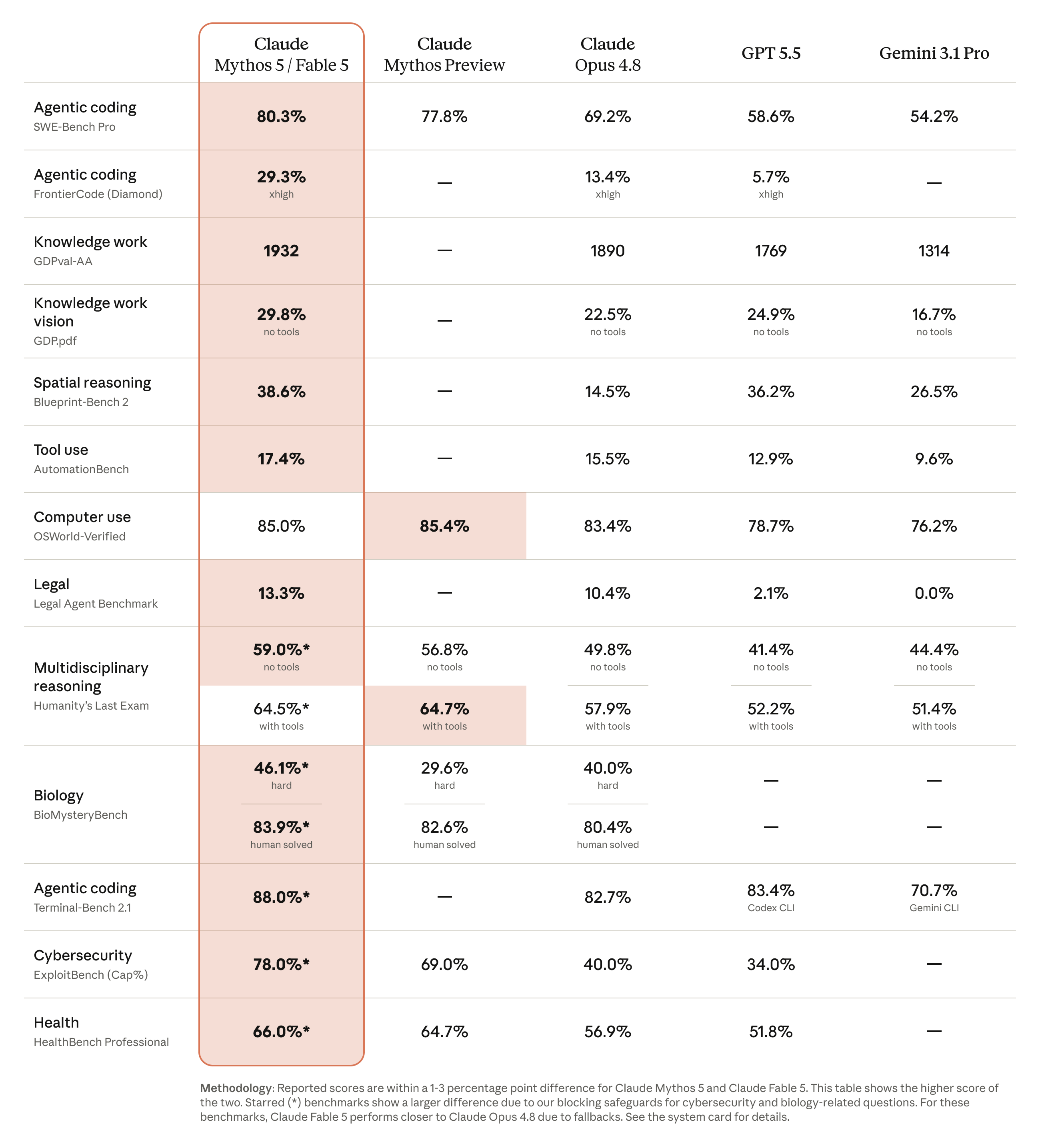
That makes Fable 5 especially relevant for:
- Large codebase understanding and migration
- Multi-document research and analysis
- Visual reasoning from screenshots, charts, and scientific figures
- Long-context agent workflows
- Scientific ideation and tool-driven research
- Creative prototyping and simulation tasks
Fable 5 vs. Mythos 5
Claude Fable 5 and Claude Mythos 5 share the same underlying model. The difference is access and safeguards.
Fable 5 is the version available to general users and developers. It includes safety classifiers that can route certain high-risk requests to Claude Opus 4.8 instead of letting Fable 5 answer directly.
Mythos 5 is the restricted access version. It is initially available to a small set of cyber defenders and infrastructure providers through Project Glasswing, with broader trusted access planned later.
| Model | Availability | Core idea |
|---|---|---|
| Claude Fable 5 | General users, API developers, enterprise customers | Mythos-class capability with conservative safeguards |
| Claude Mythos 5 | Trusted access partners | Same underlying model with some safeguards lifted in approved domains |
Software engineering: the biggest practical leap
The most immediately useful improvement is software engineering. Anthropic says Fable 5 can work autonomously longer than any previous Claude model. In early testing, Stripe reported that Fable 5 completed a codebase-wide migration in a 50-million-line Ruby codebase in a day, a project that would otherwise have taken a team more than two months by hand.
That points to a major change in how AI coding tools may be used. Previous assistants were often strongest at local tasks: write this function, explain this error, refactor this component. Fable 5 is positioned for broader engineering work: reading a large system, planning changes, executing across files, validating work, and recovering from mistakes.
For teams building AI video products, creative tools, SaaS dashboards, or internal automation, this matters because many bottlenecks are not isolated code snippets. They are multi-step engineering projects that require context.
Vision and creative reasoning
Fable 5 also appears to be a major vision model. Anthropic says it can extract precise numbers from detailed scientific figures and perform complex vision-based tasks like rebuilding a web app's source code from screenshots alone.
The examples Anthropic shared are especially interesting because they show model behavior across long, tool-like tasks rather than just static image understanding.
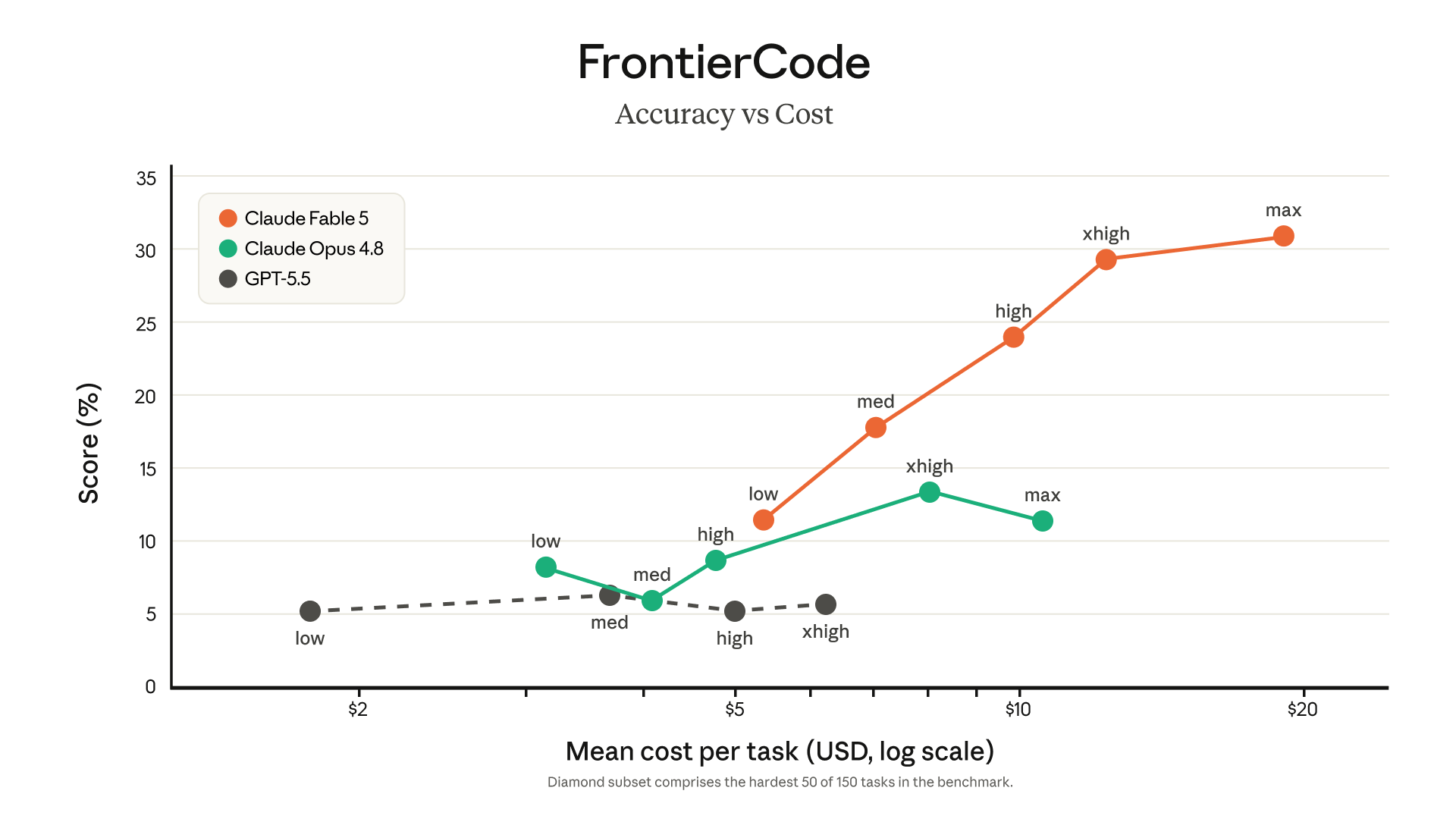
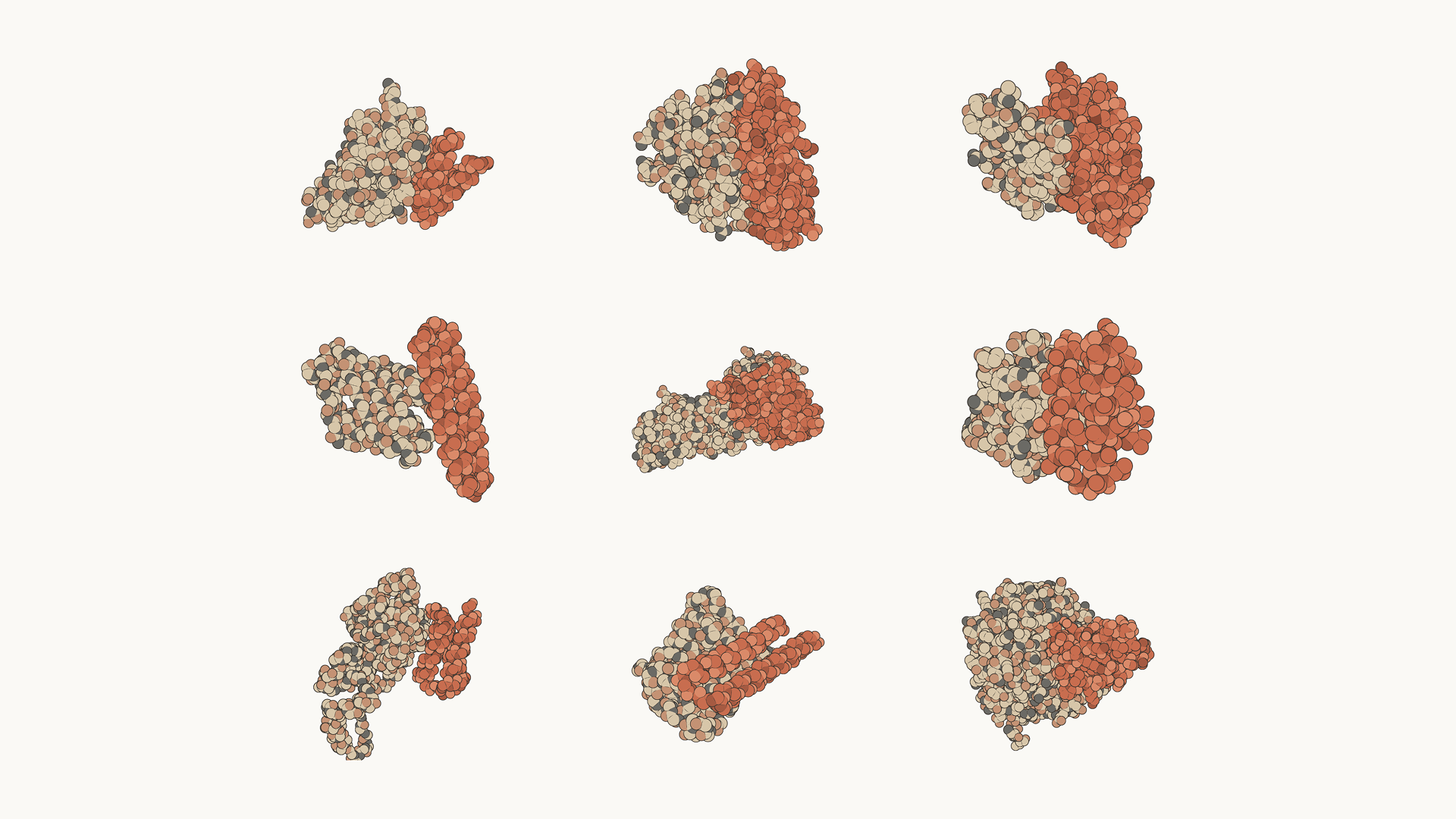
For creators, this is a sign of where AI workflows are going. The model is not only interpreting images. It is using visual information as part of a longer loop: understand, plan, build, inspect, revise.
That is the same direction we see in modern AI video creation. A strong creative model is not just a generator. It needs to reason about reference images, motion, framing, style consistency, and feedback across multiple turns. For creators experimenting with this kind of workflow, FastMoro AI is built around turning prompts, references, and iteration into usable image and video outputs.
Memory and long-horizon work
Anthropic says Fable 5 stays focused across millions of tokens and can improve its outputs using its own notes. This is one of the most important details in the announcement.
In real projects, useful AI agents need continuity. They must remember what they tried, which assumptions failed, what files changed, and what goal still matters. Fable 5's improvement in long-context and persistent-memory workflows suggests a stronger foundation for agentic work.
For developers, that could mean more reliable coding agents. For analysts, it could mean better multi-document research. For creators, it could mean longer creative sessions where the model remembers style decisions and iteration history.
Why Anthropic added stronger safeguards
The release also focuses heavily on safety. Anthropic says Mythos-class models have reached a capability level where certain domains create meaningful misuse risk, especially cybersecurity, biology and chemistry, and model distillation.
Fable 5 therefore uses additional classifiers. When a request is detected as high-risk, the response may fall back to Claude Opus 4.8. Anthropic says more than 95% of Fable sessions do not involve fallback, but it also acknowledges that conservative safeguards may sometimes catch harmless requests.
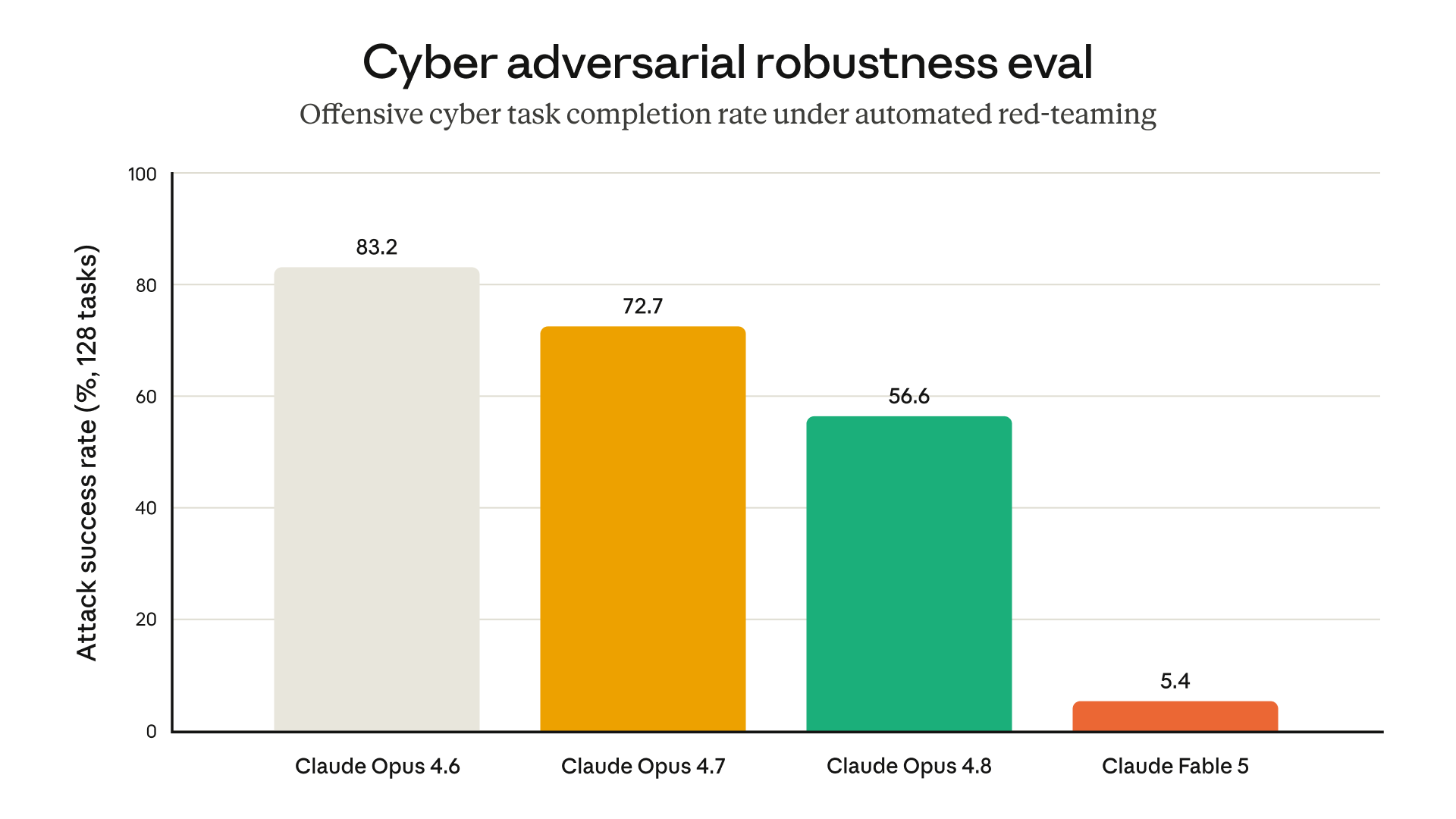
This is the tradeoff Anthropic is choosing: release stronger models sooner, but put the riskiest capabilities behind stricter controls and trusted access programs.
Pricing and availability
Claude Fable 5 is available through Claude and the Claude API. Developers can use the model ID claude-fable-5.
Anthropic lists pricing for both Fable 5 and Mythos 5 at:
| Token type | Price |
|---|---|
| Input | $10 per million tokens |
| Output | $50 per million tokens |
Claude Mythos 5 remains restricted to approved partners and trusted access programs.
What this means for AI builders
Claude Fable 5 is best understood as a step toward more reliable AI agents. The model's value is not only that it can answer harder questions. It is that it can stay useful across longer tasks, richer context, visual input, and complex workflows.
For software teams, this means more ambitious coding automation. For researchers, it means deeper analytical loops. For creative teams, it signals a future where AI tools can understand references, generate assets, revise direction, and maintain continuity across a production workflow.
The important question is no longer simply "which model has the best benchmark?" The more practical question is: which model can keep working when the task becomes messy, long, visual, and multi-step?
Claude Fable 5 is Anthropic's strongest answer to that question so far.